

Bottomley Group | Organismal and Local Factors Driving Effective Peripheral Immunity
Founded in 2022
Exploring the impact of systemic and tissue-specific factors in determining immune response against viral infection and malignancy
 ©
Matt Bottomley 2023
©
Matt Bottomley 2023
Cancer will affect up to half of people globally during their lifetime. Various extrinsic (smoking, UV radiation, viral infection) as well as intrinsic factors (increasing age, co-existent health conditions) increase predisposition to malignancy, and are the topic of intense study.
One such factor which significant increases cancer risk is impaired immunity, as evidenced through animal models and the 'clinical experiment' of pharmacological immunosuppression, such as in the setting of autoimmunity or organ transplantation.
Advances in recent years have significantly improved the short-term outcome of patients who receive a transplant, but long-term outcomes remain modest. This is partly due to the medication that must be given to prevent the immune system attacking the transplant (‘immunosuppression’). Over time, this medication damages the transplant and makes patients more prone to infection and cancer. There is little consensus on how to manage immunosuppression in the setting of post-transplant malignancy (Crisp et al, KI Reports, 2026), partly arising from poor understanding of the impact of these drugs upon the tissue microenvironment.
Our research bridges the clinical-scientific divide, utilising clinical samples to better understand the interplay between extrinsic and intrinsic factors and how they result in perturbation of peripheral and circulating immunity.
We use a combination of high-resolution exploratory spatial transcriptomic analysis approaches and validatory functional immunological evaluation. For an overview of how we can utilise spatial transcriptomic approaches to enhance our understanding of tissue immunity, we recommend our recent review on this (Kumaran et al, J Invest Dermatol, 2024). Such approaches have allowed us to identify localised signalling networks within skin cancer that promote immune exclusion and immunotherapy resistance (Bottomley et al, MedRxiv, 2025) as well as systemic perturbations that predispose to malignancy (Bottomley et al, J Am Soc Nephrol, 2015; Bottomley et al, Front Immunol, 2022; Ahuja et al, Nat Comms, 2023).
We aim to improve the management of patients, and particularly immunosuppressed populations, by developing:
- New predictive tools using clinical and immunological metrics to allow clinicians to identify patients at highest risk of developing cancer and viral infection, or who may have the poorest outcomes;
- New therapeutic approaches to prevent and treat viral infection and malignancy, particularly in patients who are immunosuppressed where current therapies such as immunotherapy are generally contraindicated.
Our research has been generously funded by the Wellcome Trust, British Skin Foundation, Oxford Hospitals Charity, University of Oxford John Fell Fund, Cancer Research UK, Kidney Research UK, National Institute of Health Research, and the Chinese Academy of Medical Sciences.
We are always keen to collaborate in our research as well as developing the next generation of basic and clinician scientists. If you are interested in collaborating or joining our lab, we would encourage you to reach out to discuss opportunities.
Our Team
-
Matthew Bottomley
Clinical Career Development Fellow in Renal Medicine
-
Girishkumar Kumaran
Facility Manager, Spatial Profiling Hub
-
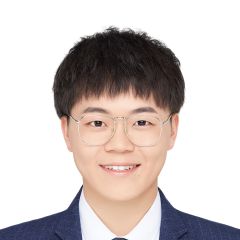
Zehua Li
DPhil Student in Clinical Medicine
-
Vidushi Saxena
Research Assistant



Collaborators (ALPHABETICAL ORDER)
Prof. Pippa Bailey (University of Bristol)
Prof. Tao Dong (CAMS Oxford Institute)
Dr. Yi-Ling Chen (CAMS Oxford Institute)
Prof. Catherine Harwood (Blizard Institute, QMUL)
Prof. Graham Ogg (CAMS Oxford Institute, Radcliffe Department of Medicine)
Dr. Gernot Walko (Blizard Institute, QMUL)
Prof. Jun Wang (Barts Cancer Institute, QMUL)
Dr. Peter Wing (CAMS Oxford Institute)