

Pinto-Fernández Group | Translational Ubiquitomics - Cancer Immunology
Our research group was established in October 2021.
Our laboratory studies how cellular ubiquitination and ISGylation regulate innate immune signalling, cancer immune evasion, and immune resilience. We aim to understand how cancer cells fine-tune interferon responses to alter antigen presentation, immune recognition, and therapy sensitivity, with the long-term goal of translating these mechanisms into therapeutic targets. To address these questions, we combine state-of-the-art mass spectrometry-based omics approaches, including proteomics and lipidomics, with functional genomics, cellular biology, and immunology assays.
 ©
Biorender
©
Biorender
RESEARCH OVERVIEW
Our laboratory investigates how cells fine-tune innate immune signalling to determine whether immune responses protect against disease or contribute to immune evasion and harmful inflammation. We are particularly interested in the ubiquitin and ISG15 systems, and in a class of druggable regulators that we define as Interferon Fine-Tuning Modulators (InFiNeMods). These include deISGylating enzymes and other regulators of type I interferon signalling that control tumour antigenicity, antiviral defence, inflammatory adaptation, and immune resilience.
A major focus of the lab is to understand how cancer cells manipulate interferon signalling to avoid immune recognition and resist therapy. We recently discovered that loss of the deISGylating enzyme USP18, a key negative regulator of the interferon pathway, makes cancer cells more antigenic and more sensitive to radiotherapy. Mechanistically, USP18-deficient cells accumulate innate immune ligands such as double-stranded RNA, enhance antigen-presentation pathways, and activate cytotoxic T cells more efficiently, resulting in increased T-cell killing and improved responses to immunotherapy.
Building on this work, we are now expanding the InFiNeMod framework to additional regulators, including USP16, USP24, and USP5, to understand how distinct molecular nodes shape interferon responses across cancer and infection. Our long-term goal is to develop new therapeutic strategies that restore immune resilience: enhancing protective anti-tumour and antiviral immunity while limiting maladaptive inflammation.
TRAINING OPPORTUNITIES
To achieve this, we combine advanced proteomics, activity-proteomics, chemoproteomics, ubiquitomics, immunopeptidomics, lipidomics, transcriptomics, functional genomics, and immunology with therapeutic discovery approaches, including small-molecule profiling and antisense oligonucleotide strategies. This integrated platform allows us to connect molecular mechanisms with immune function and to identify new opportunities for precision innate immune therapeutics. These methodologies and matching data analysis approaches can be applied and learned in our laboratory. Importantly, as part of the COI-NDM environment, we have access to cutting-edge technology, assuring the highest available standards in terms of data quality.
Finally, our laboratory has always been very interested in the translational aspect of our research, and as a consequence, we have been involved in a number of collaborations with industry partners, including Pfizer, Boehringer Ingelheim, Incyte, Xcellomics, ONO Pharma, FORMA Therapeutics, and others. This provides an excellent opportunity to learn the complementary research dynamics happening in pharmaceutical companies.
CURRENT TEAM:

PREVIOUS MEMBERS
Ms Beyza Akgun (MBiochem Student; 2022-2023)
Ms Hannah Claire Scott (Research Assistant; 2021-2025)
Ms Beatrice Salerno (DPhil Student; 2025)
Ms Alice Beard (Research Assistant; 2023-2025)
Ms Sophia Iankova (MBiochem Student; 2024-2025)
Our Team
-
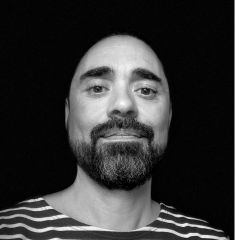
Adán Pinto-Fernández
Career Development Fellow at Chinese Academy of Medical Sciences Oxford Institute
-
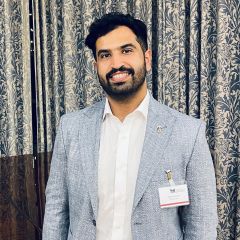
Ilknur Sur Erdem
Postdoctoral Scientist
-
Hedib Alrawili
DPhil Student in Clinical Medicine
-
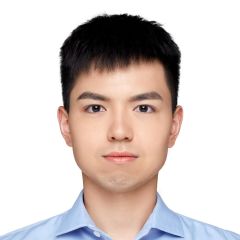
Haofeng Chen
DPhil Student
-

Melisa Çetinkaya
DPhil Student in Clinical Medicine
-
Xinyi He
DPhil Student
-
Meshal Al-Ghanem
DPhil Student
-
Angela Chen
Master’s student



Collaborators
Vincenzo D'Angiolella - WIMM (Department of Oncology)
Paul Elliot - Department of Biochemistry
Madalena Tarsounas - Department of Oncology
Tim Elliot - CIO (NDM)
Eleni Admaopoulou - CIO (NDM)
Richard Cornall - NDM
Jan Rehwinkel - WIMM (RDM)
Ricardo Fernandes - CAMS-COI (NDM)
Tao Dong - CAMS-COI (NDM)
Benedikt Kessler - CAMS-COI (NDM)
Geoffrey Smith - (Dunn School)
Persephone Borrow - NDM
Darragh O'Brien - CMD/TDI (NDM)
Pablo Cespedes - CAMS-COI (NDM)
Nikolaos Kanellakis - CAMS-COI (NDM)
Yi-Ling Cheng - CAMS-COI (NDM)
Peter Wing - CAMS-COI (NDM)
Roman Fischer - TDI (NDM)
Dan Ebner - TDI (NDM)
Chris Schofield - Chemistry (Oxford)
Lennart Brewitz - Chemistry (Oxford)
FUNDING
Chinese Academy of Medical Sciences Oxford Institute
Boehringer Ingelheim
Ono Pharma
OCION - CRUK
Xcellomics